Feel the mountain air on the skin, grip the rock, eyes sweep over ridges, every detail draws energy, makes the moment real. The difference, always in those well-guarded routines, never in improvisation. Adventure or comfort, no need to choose sides. The experts never call it luck, never trust randomness—always trust in preparation and a certain attention to nuance. A heavy pack, bones aching, the hawk circling above, feet pressing forward—no one escapes the elements, but some seem to turn challenge into second nature. Those who want more than a walk settle into habits that last, methods that hold.
The Fundamentals of Pre-Hike Planning with hiking tips Trusted by Experts
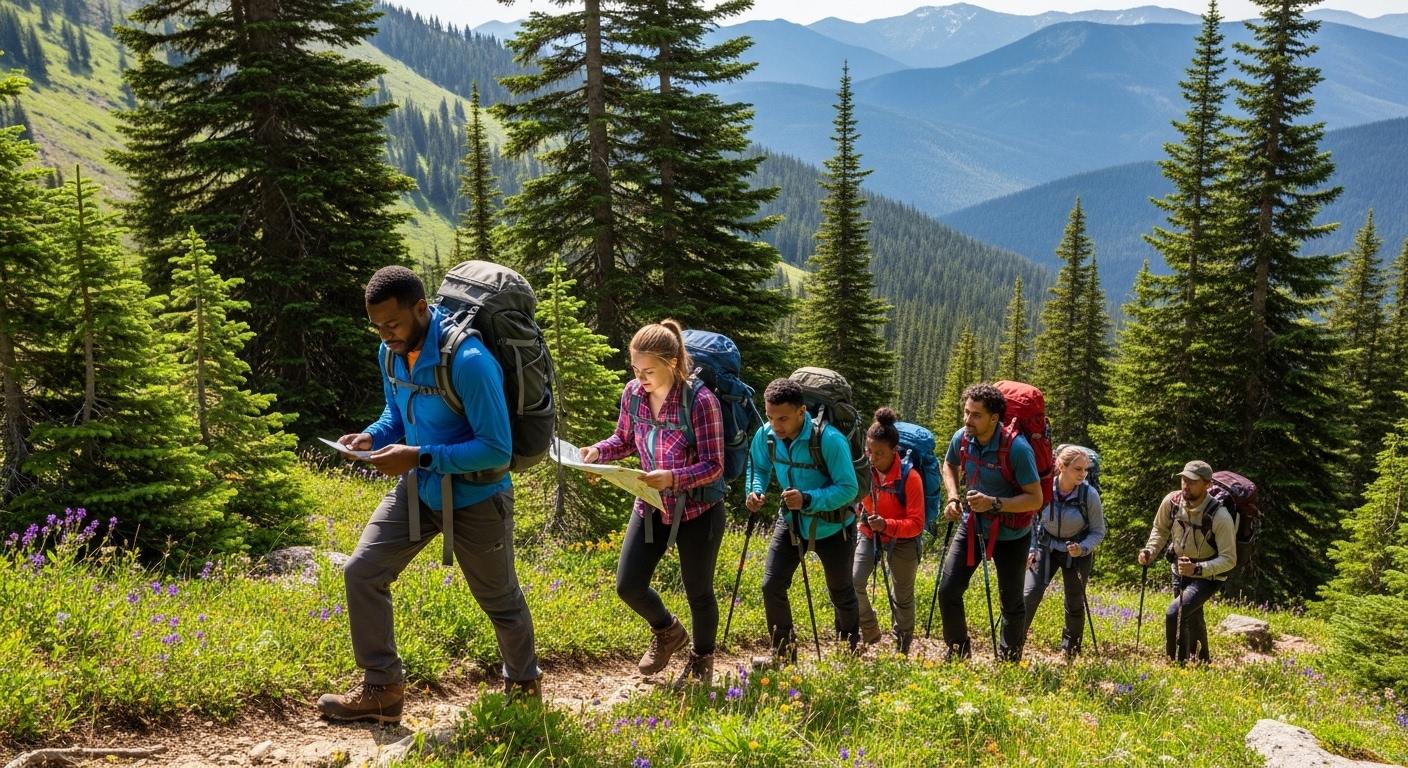
Preparation starts long before sunrise or before shoelaces tighten—a mindset, not a task. Maps sprawl open, fingers dance across printed contours, tracing out climbs and forgotten switchbacks. On the phone, AllTrails reveals terrain changes, yesterday’s muddy patches, the last five-star review. Reliable, but only if verified. Crosscheck every electronic clue with creased paper, search the corners for missed stream crossings or elusive waypoints. You can learn more about practical hiking tips to refine your pre-hike preparation routines and sharpen planning skills effectively.
In parallel : Discover the innovative cirrus vision jet: safety, performance, and efficiency
The Importance of Route Research and Weather Awareness
None rush in, not the old hands. Fingers measure distances, lips count water stops, eyes linger on segments closed since winter storms. Forecasts refresh, NOAA loads again, down to the hour. A call with the ranger’s office confirms what apps miss—bears near the blueberry patches, late wildflowers pushing through the mud. Have the clouds blocked the trailhead again, or does the wind signal a pause? Deciding to wait, turning back, these moves show strength—not failure.
Seasoned hikers always prioritize alertness to weather and trail shifts, never holding to stubborn pride.
Topic to read : Discover the Hidden Gems of English Gardening: Interactive Workshops Amidst the Stunning Lake District – Your Comprehensive Hands-On Guide
Choices lead, instinct follows, and safety grows from habit. Has a sudden wind ever turned the plans upside down or has momentum insisted on continuing instead of pausing?
The Essential Packing Checklist and Preparation for Hiking
No one glances at gear and shrugs, not even after years. Obsession, some call it. Boots in order, headlamp flicked on, food close at hand. No more rushing out with a plastic bottle and a casual glance at the phone. Earlier, gear leaned near the door, now every item serves a day’s particular demands. Precision beats optimism. Is a folding knife packed or just another tangled charger?
| Must-Have Gear | Optional Extras | Scenario |
|---|---|---|
| Navigation tools, compass, app, map | Gaiters, camp pillow | Day hike |
| Insulation, jacket, hat, gloves | Packable coffee kit | Overnight |
| First aid kit with medications | Camera tripod | All hikes |
| Water bottles, filtration system | Book or journal | Multi-day |
No room for hesitation. The classic Ten Essentials anchor everything: navigation, sun defense, insulation, artificial lighting, medical kit, fire starter, fixes, fuel, water, and shelter. Some adapt by season, others stay constant year-round. October in the Rockies needs extra layers, a summer morning on the PCT skews toward more water, fewer mittens. The titanium spork, hard-won favorite, does more than an entire cutlery set—no fuss there. Packing moves from anxiety to muscle memory; lists grow shorter with experience, confidence grows stronger with every checkmark. That invisible shield, built at home, endures on the hardest days.
The Expert Techniques for On-Trail Progress, Hiking Tips Properly Applied
Many picture a smooth rhythm, but trails never unfold like a paved path. Every ascent, an experiment. Every descent, a storyline in adaptation. Training hardens legs, technique preserves joints, and those who thrive review habits from the first step. Walking, never just moving forward, turns craft into comfort.
The Best Walking Methods for Hikers and Pacing Routines
Walking becomes choreography, not a race. Short, regular steps, poles angled just right, body tilting into the climb. On steep grades, breathing aligns with the rhythm, strong core steadying every lean. Hips drop when nearing a scree slope, knees flex, toes grip the gravel instead of sliding.
Eyes sweep ahead, always two or three stones in advance.
Technique shapes the day. Light, steady footfalls save the knees from stinging pain. Uphill, slow and precise; not a sprint, but a method. Pauses, even when energy still courses, scattered throughout the hour—time for bites, quick stretches, loosening straps. Poles distribute weight and carry through fatigue, a relief on the long return. The best pace respects signals: fatigue speaks, and stubbornness never wins awards. Walking beside a faster companion feels heroic, but wisdom settles into stride instead of exertion. Will the summit feel just as sweet if limbs burn at every step or does arriving unbroken matter more?
The Approach to Nutrition and Hydration Along the Trail
Hunger hides, thirst cheats awareness. Respond too late, energy vanishes. Seasoned hikers—habit forms from repetition, not memory—keep food within reach, drinks always at the ready. Small sips, frequent bites. Big breaks steal the momentum, sugar jolts invite crashes, so the wise opt for steady fuel.
| High-Energy Snacks | Hydration Sources | Timing |
|---|---|---|
| Nut butter pouches, trail mix | Filter bottle, hydration reservoir | Every 30 mins (sip, bite) |
| Turkey jerky, energy chews | Electrolyte tablets in water | Steep climbs, extra sips |
| Protein bars, sliced fruit | Spring water, filtered | Short breaks, post-effort |
Select snacks for durability—no melting, no crumbs, just clean protein and easy calories. Every hiker trusts the water filter more than dreams of wild springs—safety, not fantasy. In 2026, the CDC reinforces old truths: dehydration and poor meal timing remain top culprits behind trail rescue calls. Midday slump, aches creeping in, eyes drooping—often only a sign of missed hydration, not weakness. Does the difference between afternoon energy and evening lethargy come down to habits so simple?
The Most Effective Safety and Emergency Routine with Trusted Trekking Advice
Not one person expects to control wildness, but rules must shape every entry into its domain. Test luck, trust chance? No, skill and routine build the day’s safety net. Registries collect names, plans, and return times. Group leaders scan maps, everyone notes rendezvous points.
The Basics of Trail Safety and Wild Animal Interactions
Shoe tread leaves a temporary mark, wrappers never stay behind. Leave No Trace transforms from mantra into muscle memory, every item packed home, every sound softened. Whistle strapped to the chest, first aid easy to grab, park ranger’s card hidden but never forgotten. Spot a moose by a marsh? Immediate pause, no sudden words, space made clear—no panic, routine prevails. Single file on narrow ledges, packs zipped tight, wildlife respected, not courted. The message travels faster than footsteps: strong routines prevent drama where wildness reigns.
The Emergency Communications Tools Needed and Methods of Signaling
Rescue stories never start with luck but with foresight. In 2026, satellite beacons—Garmin, Inreach—now sit in every experienced hiker’s top pocket. Phones rest useless in deep valleys, satellite signals become the lifeline. Activate a beacon, flash a mirror, three whistle blasts—old and new blend for safety. Digital check-ins update loved ones, a practiced rescue plan ensures help when it must arrive.
US Forest Service reports show triple the survival rate when analog and tech tools combine for emergency signaling. Relief walks hand in hand with readiness, not with bravado.
Stories echo in gear shops: Lynn, a Denver engineer, trapped by a summer storm above the timberline, pressed the rescue button despite soaked boots and confidence shaken. “Forecasts, missed. Boots, trusted wrongly. The SOS, loud and worth the extra ounce,” she later said. Not every surprise leads to a story—habits mark the only real difference.
The Sustainable Habits Behind Responsible Hiking and Trail Preservation
Single steps bruise a leaf, wrappers snag on twigs. Good habits, sharper than crampons, keep wild corners healthy. Glass jars swallow trash, wraps shelter sandwiches, steel bottles line every pack strap. Stay within bounds, resist shortcuts that scar meadows, keep distance when wildlife lingers at the edge of the path. High season pushes some onto lesser-traveled trails, sheltering over-loved routes from wear. Respect for place seeps into every choice.
- Pack reusable rather than disposable
- Choose brands committed to sustainability
- Pick up waste on the trail—even if it is not your own
- Volunteer with local conservation projects
Patagonia and MSR put efforts into cleaner gear and stoves, solar chargers add energy without footprints, everyone owns a part. Trail maintenance crews count more new faces, hikers volunteering to clear debris and shore up paths. Families hand tools to kids, eyes bright, learning stewardship in mud and laughter. The cycle never ends—one outing, one act, one repaired trail, echoing across seasons. Attention, respect, repetition—each reinforces responsibility.
Adventure does not erase its tracks; real accomplishment feels heavier, meaningful, deserved when traces fade.